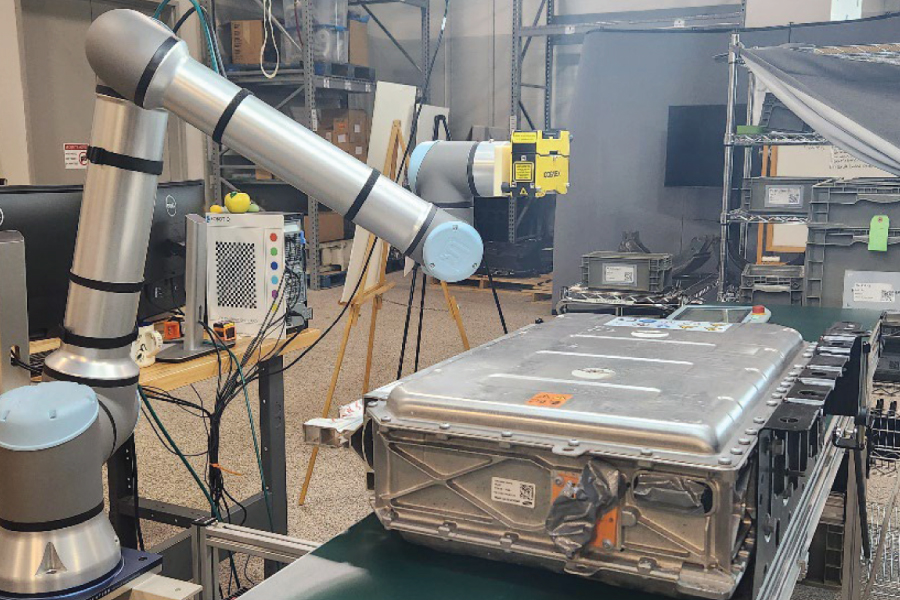
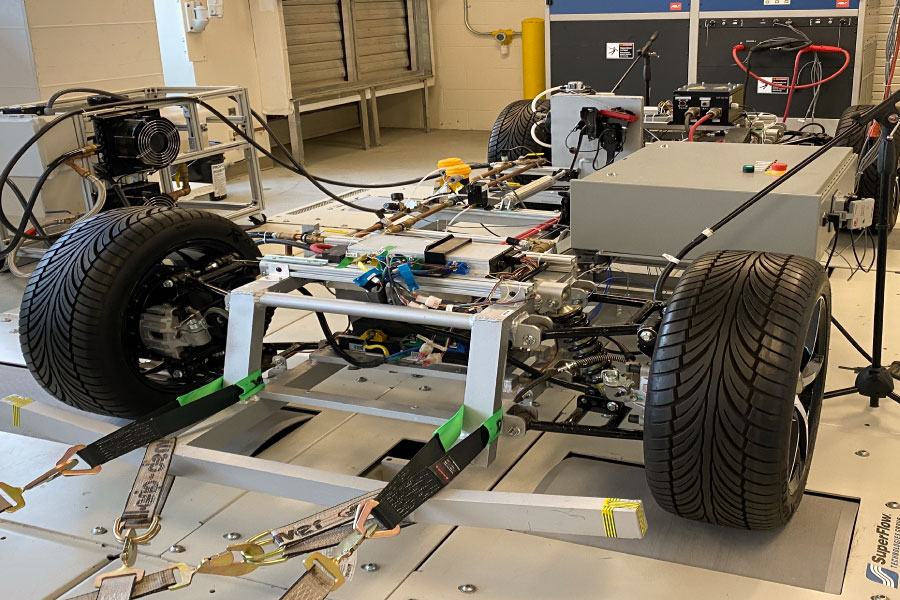
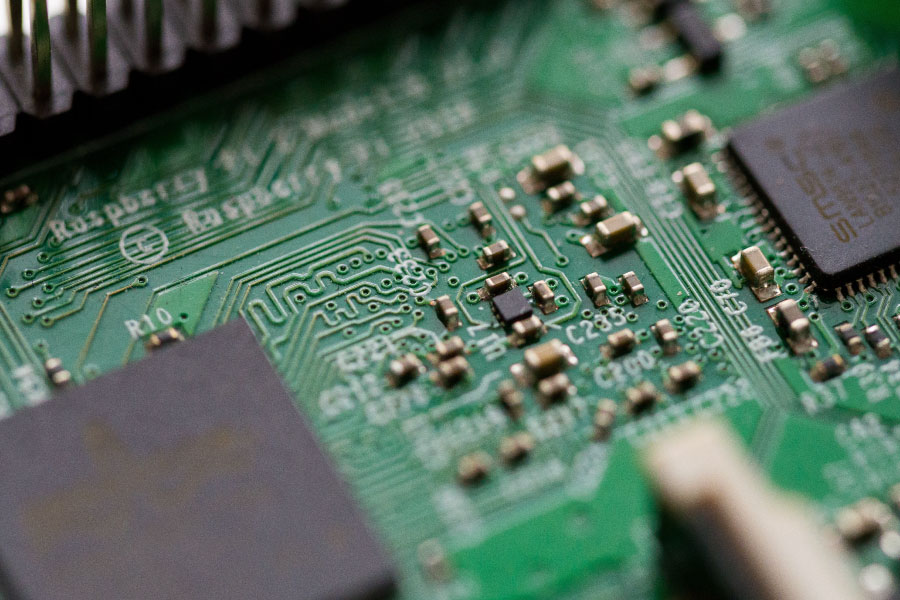
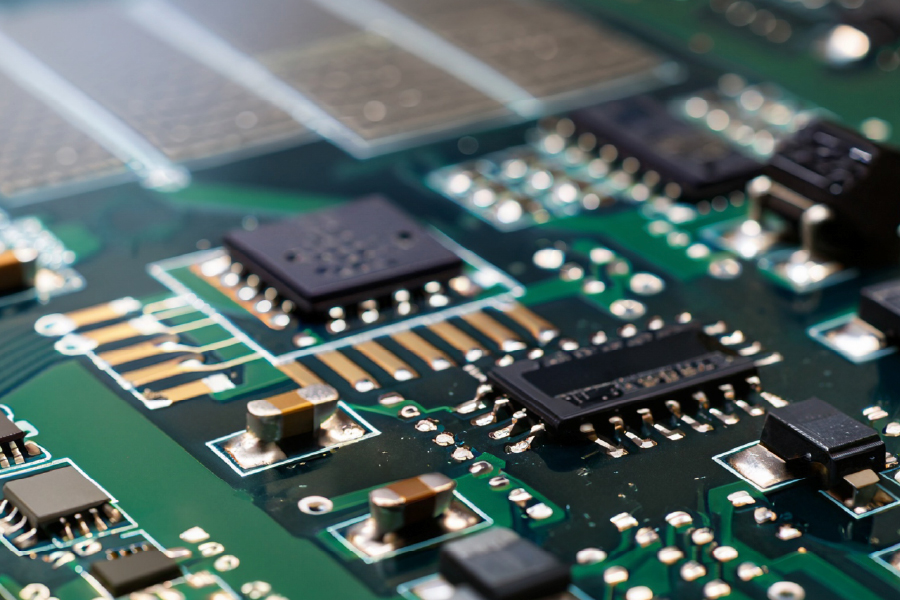
Today, the security and resilience of the nation’s supply chain is more important than ever. REMADE® and its members are developing advanced technologies capable of recovering and recycling critical and key materials for U.S. manufacturing, including a wide range of critical minerals and rare earth elements. These include (but are not limited to): aluminum, copper, lead, lithium, cobalt, nickel, manganese, palladium (a platinum group metal), silicon, silver, and tin, as well as rare earth elements.
Critical minerals and REEs are used to power major sectors of the U.S. economy and national security, including aerospace, communications, defense, healthcare, electronics, technology, and more.
Did You Know?
Recycling is indispensable to the security and sustainability of critical minerals
Recycling reduces new mine development needs by 40% for copper and cobalt, and by 25% for lithium and nickel by 2050. The market value of recycled energy transition minerals [is projected to grow] fivefold, reaching $200 billion by 2050.