
Materials Recycling and Manufacturing Supply Chain Optimization
In partnership with industry, academia, trade organizations, and national labs, REMADE invests in and conducts research and development – including advanced design, manufacturing materials optimization, remanufacturing and materials recovery – to develop technologies that increase the supply of critical and key materials, enhance U.S. manufacturing competitiveness, strengthen domestic supply chain resilience, expand the American workforce, and grow the U.S. economy.
Our five key areas of concentration, or nodes, cover the material life cycle: Systems Analysis & Integration; Design for Re-X; Manufacturing Materials Optimization; Remanufacturing and End-of-Life (EOL) Reuse; and Recycling & Recovery
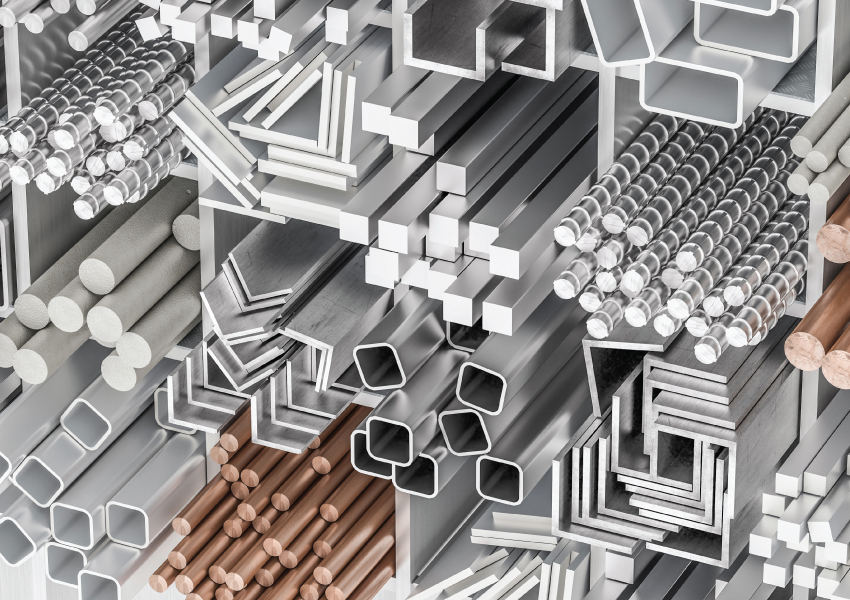
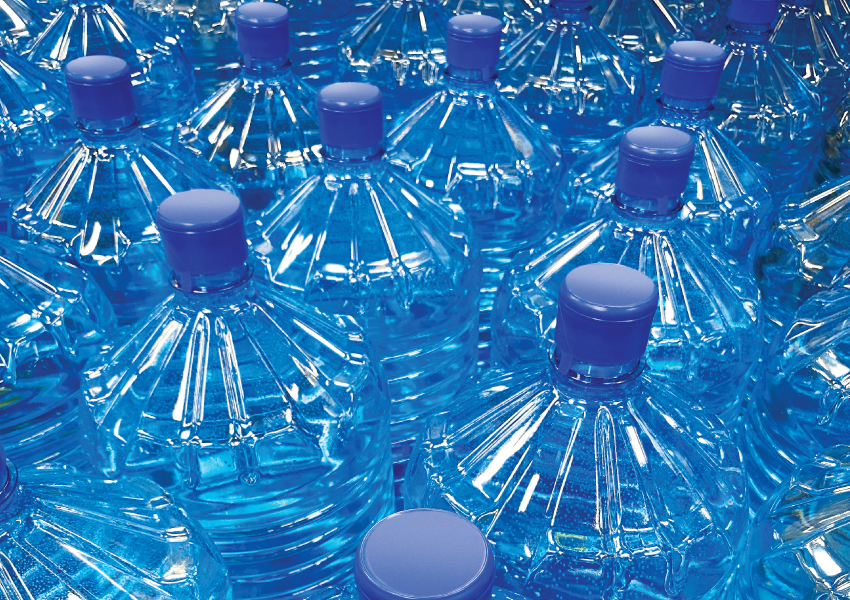
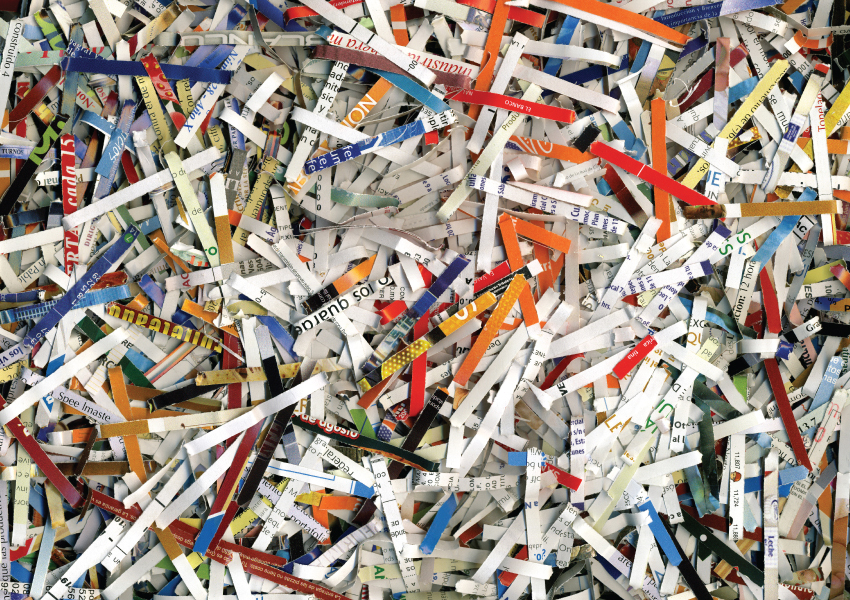
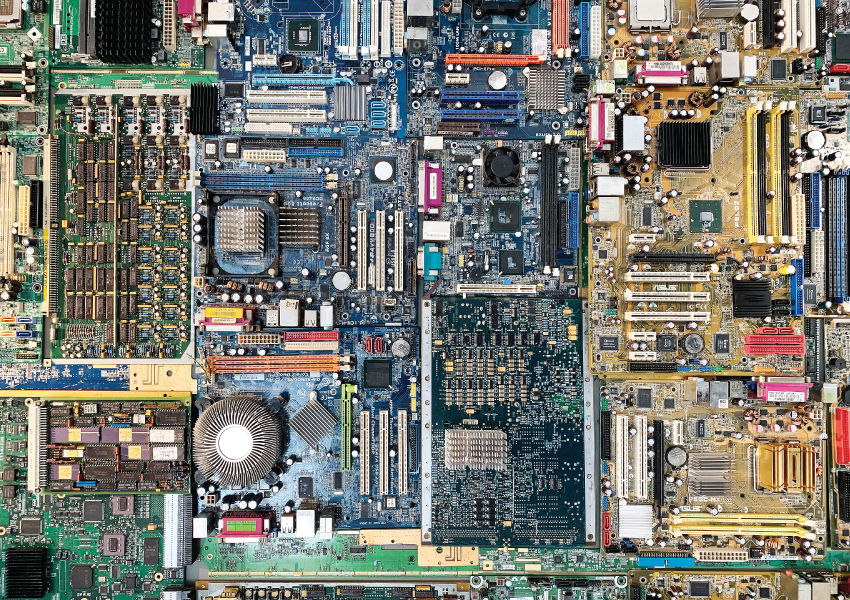
REMADE’s technological innovation is focused on four energy-intensive material classes: metals, including steel and aluminum; polymers, including plastics; fibers, including papers and textiles; and electronic scrap (e-scrap), formerly referred to as e-waste.
REMADE’s work to accelerate the Circular Economy through technological innovation is focused on four energy-intensive material classes: metals, including steel and aluminum; polymers, including plastics; fibers, including papers and textiles; and electronic scrap (e-scrap), formerly referred to as e-waste.
Our five key areas of concentration, or nodes, cover the material life cycle: Systems Analysis & Integration; Design for Re-X; Manufacturing Materials Optimization; Remanufacturing and End-of-Life (EOL) Reuse; and Recycling & Recovery
These four energy-intensive classes represent the greatest areas of opportunity to impact our technical performance metrics from a material perspective. From an investment point of view, we get the best chance of making the most impact by concentrating our efforts on these groups of materials.
Our technological solutions are grounded in our five key areas of concentration (Nodes). This Node framework allows the Institute to address the cross-cutting challenges that occur at each stage of the material lifecycle.

Data collection, standardization,
metrics, and tools for understanding material flow

Design tools to improve material utilization and reuse at End-of-Life (EOL)

Technologies to reduce in-process losses, reuse scrap materials, and utilize secondary feedstocks in manufacturing

Efficient and cost effective technologies for cleaning, component restoration, condition assessment, and reverse logistics
Rapid gathering, identification, sorting, separation, contaminant removal, reprocessing and disposal
Polyethylene terephthalate (PET) is a type of thermoplastic polymer that is widely used in the production of plastic bottles, packaging materials, and fibers. It is known for its lightweight, transparent, and durable properties, making it a popular choice for various applications. PET is recyclable and commonly identified by the recycling symbol with the number 1 inside, indicating its suitability for recycling and reprocessing.
This complex polymer includes materials such as nylon and Kevlar.
Polyethylene (PE) is a versatile and widely used thermoplastic polymer that is known for its strength, flexibility, and chemical resistance. It is a key component in various everyday products, including plastic bags, films, bottles, pipes, and containers. PE is categorized into different types based on its density, such as low-density polyethylene (LDPE), high-density polyethylene (HDPE), and linear low-density polyethylene (LLDPE). Its properties, affordability, and ease of processing have contributed to its extensive use across numerous industries, from packaging and construction to automotive and medical applications.
Polypropylene (PP) is a highly versatile thermoplastic polymer known for its durability, chemical resistance, and high melting point. It is widely used in a diverse range of applications, including packaging materials, textiles, automotive components, and medical devices. PP offers excellent strength-to-weight ratio, good impact resistance, and flexibility, making it suitable for various demanding environments. It is also known for its resistance to moisture, chemicals, and UV radiation, enhancing its suitability for outdoor and long-term applications. PP is recyclable and widely used in both consumer and industrial products due to its cost-effectiveness and favorable performance characteristics.
Polystyrene (PS) is a synthetic aromatic polymer that is widely used in the production of disposable foam products, such as food containers, packaging materials, and insulation. It is a lightweight material with excellent thermal insulation properties. PS can exist in two forms: expanded polystyrene (EPS), commonly known as foam or styrofoam, and solid polystyrene. EPS is lightweight, rigid, and offers good cushioning and insulation, while solid polystyrene is transparent, brittle, and commonly used in products like CD cases and disposable cutlery. PS is cost-effective, versatile, and has a wide range of applications due to its ability to be easily molded and its overall durability.
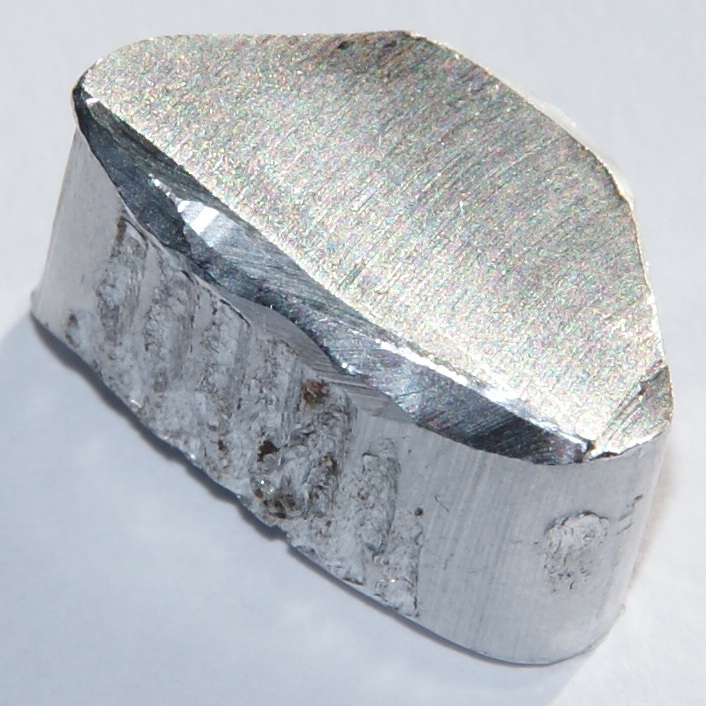
Aluminum is one of the most important materials for the energy transition. It is used throughout multiple industries including aerospace and automotive. It is especially important for electric vehicles.

Steel is widely used and one of the most energy intensive materials. It is the focus of global decarbonization efforts due to it’s importance to numerous industries including construction, defense, automotive, aerospace, plkus many more.

Copper is officially listed as one of the nations most critical minerals. We are working everyday to reduce the U.S.’s reliance on foreign countries for this vital resource.

Cast iron is import to multiple industries, including the heavy duty construction and agricultural industries.

Platinum is critical to the nation’s energy transition and is especially important to the highly-competitive electronics industry.

Palladium is critical to the nation’s energy transition and is especially important to the highly-competitive electronics industry.